



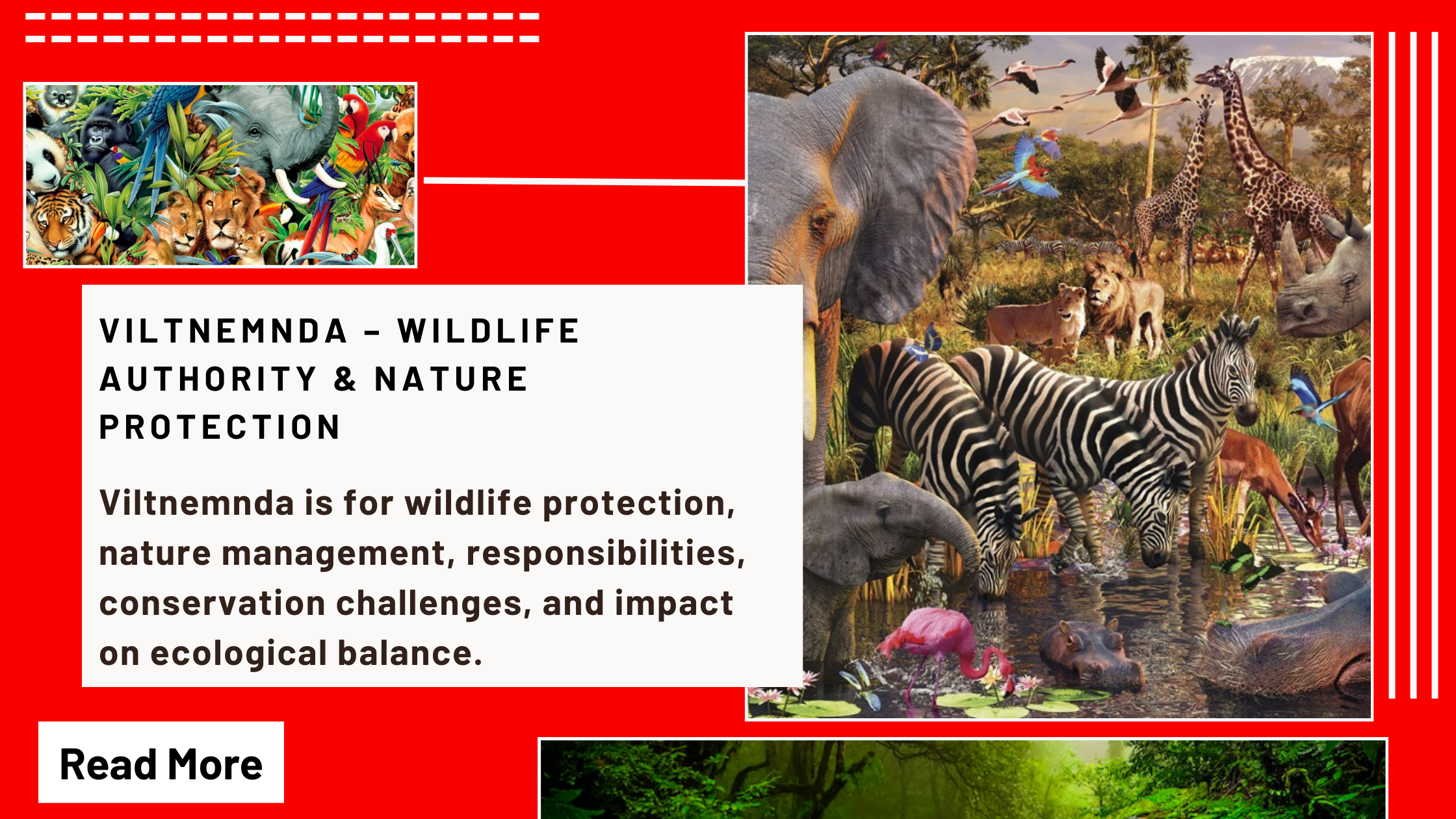
Viltnemnda is a phrase often linked with the services of the wildlife management that take care of the wildlife ecosystem, control the wildlife policies, consult regarding the conservation procedures, and monitor the sustainable relationship between humans and nature. The term is coined on concepts of wildlife management and nature committee functions and it is usually employed to denote formal or informal associations that take decisions about fauna and natural environments. Agencies or councils with comparable powers are at the center of the preservation, monitoring and promotion of sustainable practices of habitats in most areas. Viltnemnda is a term that symbolizes this leadership post in environmental care. This is a detailed guide to what Viltnemnda is and what it does, the way it operates, and the importance of the group in terms of local and global conservation.
What Does Viltnemnda Mean?
Viltnemnda is an umbrella term that describes the authority, committee, or council that is engaged in:
- Coming up with wildlife policies.
- Supervision of the laws on nature protection.
- Recommendations on habitat protection.
- Controlling hunting and fishing.
- Educating sustainable land use planning.
Even though this understanding does not apply in all states, the idea summarizes the model that ensures that wild animals and natural environs are given organized care and not left to fate. Viltnemnda does not only focus on enforcement but directing human interaction with the ecosystems in such ways that ensure biodiversity even after many years.
Viltnemnda, Core Responsibilities
The authority of a Viltnemnda usually works in various related spheres:
1. Wildlife Conservation
This involves the process of recognizing endangered species, developing protection priorities and designing recovery plans of endangered populations.
2. Habitat Management
Nature is not an isolated phenomenon, nature is webs of interacting species and conditions. Viltnemnda activities are to preserve important habitats, to rehabilitate damaged habitat and manage reserved land.
3. Policy and Regulation
These agencies tend to come up or recommend regulations concerning:
Restriction of hunting seasons.
- Fishing quotas
- Protected areas
Introduction: When humans encroach upon land inhabited by species endangering their populations, the animals also suffer harmful impacts (Marcella et al., 2019). Good policies optimize the ecological needs in line with social and economic factors.
4. Research and Monitoring
Responsible decisions are made using data. Viltnemnda duties are likely to include:
- Population surveys
- Migration tracking
- Impact studies
- Biodiversity assessments
This scientific foundation makes it possible to have evidence-based decisions.
5. Education and Outreach
Conservation is impossible without social awareness. Such powers tend to fund initiatives that inform the populations on wildlife and ecosystem conservation.
The Vitality Of The Wildlife Authorities Such As Viltnemnda
Wildlife and the natural resources are not limitless. Mismanagement can lead to:
- Species extinction
- Habitat loss
- Ecological imbalance
- Depleted natural resources
- Greater activities between humans and animals
The organisations of viltnemnda type are steward of the biodiversity because they:
- Controlling the influence on nature by a man.
- Conservation of the essential eco systems.
- Securing sustainability in the long run.
- Economic utilization and conserving environment.
They have their impact on what is done locally towards conservation at the global level.
The Way Viltnemnda Works In Practice
The particular constitution of any particular wildlife committee, dependent upon region, differs, but most of them have a common denominator with regard to their mode of operations:
Collaborative Governance
Such authorities usually involve scientists, policymakers, conservationists, and community representatives who collaborate in order to influence strategies.
Stakeholder Engagement
Conservation involves voices that are effective such as:
- Indigenous communities
- Landowners and farmers
- Outdoor recreation groups
- Environmental NGOs
- Local citizens
Inclusive dialogue guarantees different opinion and commonalities.
Periodic Review
The change in ecosystems is a result of climate change, human development and interaction of species. Viltnemnda is an adaptive system with regard to functions management plans are never left without updating based on current information.
Enforcement Mechanisms
Though the concept is rather advisory in other cases, it can be used with enforcement agencies to provide compliance in regulations.
Ordinary Problems of Wildlife Authorities.
In spite of the good intention and professionalism, such authorities like Viltnemnda have to struggle with a range of problems:
Striking a Balance between Competing Interests.
Conflicts can be between economic development, land use and wildlife protection. Fair trade-offs are delicate to come by.
Climate Change
The shifting environment with change in temperatures, migration patterns, extreme weather conditions require the wildlife authorities to modify their conservation plans.
Resource Limitations
Limitation to scale of conservation activities is often due to funding, personnel and technical capacity.
Public Awareness
Effective policies can not be applied without the support and understanding of people.
The realization of these problems enables wildlife managers to develop resilient and flexible strategies.
Things That Individuals Can Do In Order To Promote Conservation Efforts
The conservation, however, does not lie in the control of official bodies only: individuals can contribute to it:
- Be prudent making the most of the recreation (leave no trace)
- Defense defense wards by means of cash or volunteerism.
- Get engaged in citizen science and involvement of gathering data.
- Minimize environmental footprint by being green.
- Be knowledgeable on local issues of wildlife.
The simple steps add to great effects with the organised governance.
The Importance Of Nomenclature In Conservation
Such words as Viltnemnda are used to put conservation into an organized context. They symbolize:
- Organized environmental accountability.
- It begins with the social realization.
- Environmental performance responsibility.
- Making science and policy work together.
Through role definition and expectations, such authorities emphasise the social commitment towards protecting biodiversity.
FAQs
1. What is demonstrated in the word, Viltnemnda?
It is a body of wildlife management or conservation of the habitat and protection of nature.
2. Even do we Losaris omnes habere Viltnemnda?
Not always, again the name and structure are different, however there are most countries with similar authorities in the management of wildlife.
3. The question is how does Viltnemnda safeguard wildlife?
By policy, conservation plan, management of the habitat, research and community involvement.
4. Are the citizens allowed to engage in the conservation of wildlife?
Yes – by volunteering, data responses, sustainable practices, and advocacy of the community.
5. What are typical most threatening problems, which wildlife authorities deal with?
Habitat degradation, global warming, poaching, invasion, and humankind-beast confrontations.
Conclusion
Viltnemnda is a reflection of the idea of organized management of wildlife – an essential component of ecological balance, biodiversity preservation, sustainable human-nature interaction management. Can it be controllance, science, education, or community participation, the key point in the joy of preserving the natural world to future generations rests with the wildlife authorities. This knowledge of their role and role enables us all to value the complexity of conservation management and be motivated to act responsible. As ecosystems change and human impacts become stronger, we increasingly get these messages from agencies such as Viltnemndva that good environmental governance and respect can help to preserve the multi-coloured presentations of life on Earth.